This scenario plays out daily across produce, seafood, and pharmaceutical supply chains. Temperature-controlled shipping, often called reefer or cold chain freight, has become essential for far more than food. Cosmetics, electronics, chemicals, and even artwork now rely on it.
Getting it wrong is expensive. This guide breaks down what temperature-controlled shipping actually involves, the equipment behind it, realistic costs, and how smaller shippers can access competitive rates without overpaying.
Key Takeaways
- Temperature-controlled freight maintains precise ranges, from -13°F for frozen pharma to 77°F for room-temperature goods
- The refrigerated transport market hit $125.6 billion in 2023, growing over 6% annually
- Reefer rates run higher per mile than dry van, driven by equipment, fuel, and limited capacity
- Small businesses can access the same carrier networks and negotiated rates that large shippers use
What Is Temperature-Controlled Shipping?
Temperature-controlled shipping means transporting goods within a specific temperature range from pickup to delivery. The goal is simple: prevent spoilage, degradation, or physical damage caused by heat or cold exposure. Industry professionals often call this reefer shipping (short for refrigerated) or cold chain logistics.
This isn't limited to groceries. Common temperature-sensitive cargo includes:
- Fresh and frozen food or beverages
- Pharmaceuticals, vaccines, and medical supplies
- Cosmetics and personal care products
- Industrial chemicals
- Fine art and antiques
- Electronics sensitive to extreme heat or cold
Understanding Temperature Bands
Different products require different temperature zones. Here's a general breakdown based on pharmaceutical industry standards:
| Category | Approximate Range | Example Products |
|---|---|---|
| Frozen | -13°F to 14°F | Frozen foods, certain vaccines |
| Refrigerated/Cold | 36°F to 46°F | Fresh produce, dairy, blood products |
| Cool/Chilled | 46°F to 59°F | Some pharmaceuticals, chocolate |
| Controlled Room Temperature | 68°F to 77°F | Many oral medications, cosmetics |
These ranges come from USP packaging and storage standards, the benchmark pharmaceutical shippers use to validate their cold chain.
The stakes here are real. The refrigerated transport market reached $125.6 billion in 2023, according to Global Market Insights, with growth projected above 6% annually through 2032. That growth reflects rising demand across pharma, specialty foods, and e-commerce.
Excursions happen more often than shippers expect. One cold chain monitoring manufacturer reports that 20% of temperature-sensitive pharmaceuticals experience damage or significant temperature excursions during transport, according to Dickson Data. That's not a universal failure rate across all cargo types, but it signals how fragile these shipments can be without proper controls.
Even shelf-stable goods aren't automatically safe. Trailer interiors can swing to extreme highs or lows depending on season and dwell time. Chocolate melts. Candles warp.
Electronics with sensitive components can suffer from prolonged exposure to heat during a summer layover at a distribution hub. If your product has any heat or cold sensitivity, don't assume "shelf-stable" means "shipping-stable."
How Temperature-Controlled Shipping Works: Equipment and Methods
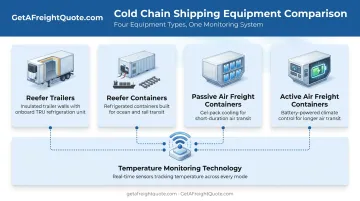
Reefer equipment spans a wide range, from small refrigerated vans running local routes to full reefer trailers and ocean containers crossing continents. What connects them all: active refrigeration, not passive insulation alone, keeps cargo at the right temperature.
Refrigerated Trucks (Reefer Trailers)
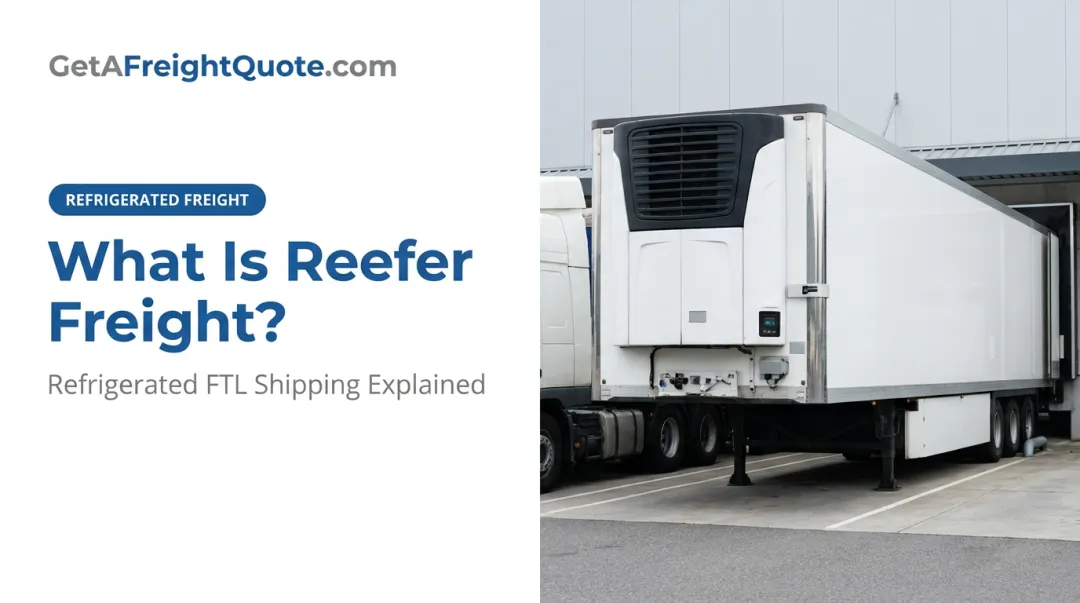
A reefer trailer combines insulated walls with a refrigeration unit (called a TRU, or transport refrigeration unit) mounted at the front. Airflow circulates through the trailer to maintain a consistent set point throughout the load.
Insulation thickness matters more than shippers realize. Trailer manufacturer Great Dane notes that adding up to three inches of sidewall insulation reduces how hard the refrigeration unit has to work, cutting fuel use. The tradeoff? Thicker walls add weight and shrink usable interior space.
Standby power matters too. When a truck stops for extended periods, drivers can plug into electric standby power, letting the refrigeration unit run without the diesel engine idling.
Reefer Containers (Ocean and Rail)
For longer-haul or international shipments, reefer containers function similarly to truck trailers but are built for weeks-long transit rather than days. Pre-cooling is critical here.
Ocean carriers like Hapag-Lloyd recommend cooling cargo to the target temperature before it ever enters the container. The unit is designed to maintain temperature, not aggressively cool down warm product.
Passive and Active Air Freight Containers
Air freight uses two distinct approaches:
- Passive containers: Insulated boxes packed with gel packs, dry ice, or phase-change materials. These work well for shorter transit windows since the cooling source is finite.
- Active containers: Self-powered refrigeration units built into the container itself, better suited for longer transit times or products with strict, unforgiving temperature tolerances.
Temperature Monitoring Technology
Data loggers and real-time IoT sensors track temperature continuously throughout transit. Modern telematics systems, like those from Thermo King, go further, offering predictive alerts and diagnostics so dispatchers can catch a developing problem before it becomes a total loss.
Without this visibility, a failing unit might not get noticed until the cargo is already ruined.
Do Major Carriers Like FedEx and UPS Offer Temperature-Controlled Freight Shipping?
Yes, but not through standard parcel service. Both FedEx and UPS operate specialized divisions built specifically for cold chain freight:
| Carrier | Specialized Division | Service Focus | Key Detail |
|---|---|---|---|
| FedEx | FedEx Custom Critical | Dedicated vehicle or LTL service across nearly every temperature range | Continuous monitoring via two-way satellite communication |
| UPS | UPS Healthcare | Cold chain air and ocean freight for pharmaceutical and healthcare clients | Reports deviation-free delivery rates above 99% (data through mid-2021, per UPS) |
Here's the catch: these are niche, purpose-built services. They're not what you get by dropping a package at a standard FedEx or UPS counter.
For palletized or larger temperature-sensitive freight, dedicated reefer LTL and full truckload carriers are generally the better fit. These carriers specialize in cold chain logistics day in and day out, rather than treating it as an add-on service.
Because reefer capacity is limited industry-wide, especially during peak produce seasons, relying on a single carrier can leave you stuck without options when you need a truck most. Working with a platform like GetAFreightQuote.com, which compares rates across multiple qualified reefer carriers, gives shippers a stronger, more reliable safety net.
How Much Does Temperature-Controlled Freight Shipping Cost?
Temperature-controlled shipping costs more than standard dry freight. Specialized equipment, higher fuel and energy consumption, and constrained reefer capacity all drive the premium.
Here's what actually influences your rate:
| Cost Driver | Why It Matters |
|---|---|
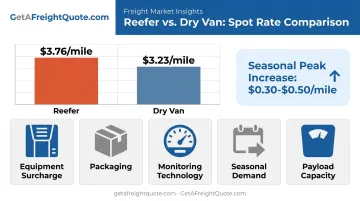
| Reefer equipment surcharge | Specialized trailers and containers cost more to operate and maintain |
| Packaging | Insulated liners, gel packs, dry ice, or phase-change materials add expense |
| Monitoring technology | Data loggers and telematics systems come with added cost |
| Seasonal demand | Produce season and holiday shipping spike reefer demand sharply |
| Payload capacity | Insulated trailer walls reduce usable cargo space compared to dry van |
Rate data backs this up. A FreightWaves analysis from May 2021 found national reefer spot rates at $3.76 per mile, compared to $3.23 per mile for dry van, both figures including fuel and accessorials. That gap shifts by lane and season, so treat any single number as a snapshot rather than a fixed rule.
Seasonal swings matter too. Reefer spot rates can climb by $0.30 to $0.50 per mile during peak produce season, based on the same FreightWaves rate data cited above.
Hidden fees are common in this freight category. Shippers often get hit with charges they didn't see coming, including:
- Reefer surcharges added after the load is already booked
- Fuel add-ons not disclosed in the initial quote
- Monitoring fees buried in the final invoice
Always request full rate transparency before booking, not after the invoice arrives.
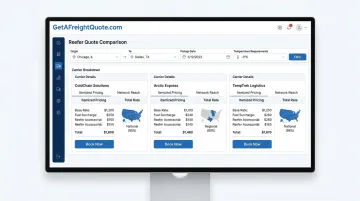
GetAFreightQuote.com addresses this problem directly. The platform gives shippers visibility into full, itemized reefer rates upfront, so there are no surprise charges buried in the invoice. That kind of transparency lets small and mid-sized businesses budget accurately for temperature-controlled loads instead of guessing.
How Do I Ship Temperature-Sensitive Items? A Step-by-Step Guide
Shipping temperature-sensitive cargo successfully comes down to preparation before the truck ever arrives. Follow these steps:
- Identify your product's exact temperature range. Know the required set point and how much deviation your cargo can tolerate before it's compromised. This determines everything else.
- Choose the right equipment type. A reefer truck works for domestic palletized freight; ocean or rail reefer containers suit longer international routes; passive or active air freight packaging fits smaller, time-sensitive shipments.
- Add protective packaging as a backup layer. Insulated liners, gel packs, dry ice, or phase-change materials provide a second line of defense inside the temperature-controlled unit.
- Confirm pre-cooling before loading. Reefer units maintain temperature; they don't rapidly cool warm cargo. Loading warm product into a pre-set unit invites failure.
- Request real-time monitoring. Ask for data logger or telematics tracking so you can verify the cold chain held from pickup through delivery, not just take the carrier's word for it.
- Compare quotes from multiple qualified reefer carriers. Rates and equipment availability shift by lane and season, so booking with the first available option rarely gets you the best deal. Platforms like GetAFreightQuote.com let you benchmark refrigerated LTL and FTL rates across carriers in one place instead of calling each broker individually.
Skipping any one of these steps raises your risk of a rejected or spoiled shipment, which costs far more than the freight bill itself.
Choosing the Right Partner for Temperature-Controlled Freight
The right logistics partner for reefer freight brings three things to the table:
- Access to a wide network of vetted reefer carriers, not just one preferred vendor
- Transparent, all-in pricing with no surprise accessorials after booking
- Real-time temperature and location tracking, so you always know your cargo's condition and position in transit
Not every shipper gets equal access to these advantages, though. Small and mid-sized businesses often get stuck with weaker rates and fewer carrier choices than large shippers, simply because their shipment volume doesn't command the same negotiating leverage. That's a volume-driven structural problem, unrelated to how well the business runs.
GetAFreightQuote.com was built to close that gap. As an authorized reseller of an enterprise-grade TMS platform, it gives smaller shippers access to negotiated carrier rates alongside a network that includes 100+ LTL carriers and 80,000+ vetted truckload carriers, refrigerated freight included.
Shippers can also add their own existing carrier accounts into the platform for side-by-side rate comparison, so you're never locked into a single option.
Full invoice transparency and no hidden fees round out the value: you see exactly what you're paying before you book.
Frequently Asked Questions
Do major carriers like FedEx and UPS offer temperature-controlled freight shipping?
Yes, through specialized divisions like FedEx Custom Critical and UPS Healthcare, not standard parcel service. Dedicated reefer freight carriers are generally a better fit for palletized temperature-controlled shipments.
How much does temperature-controlled freight shipping cost?
Reefer freight typically costs more per mile than standard dry van freight, with rates varying by lane and season. Equipment, packaging, monitoring technology, and limited capacity all drive the premium.
How do I ship temperature-sensitive items with temperature-controlled freight shipping?
Confirm your product's exact temperature requirements, choose equipment suited to your shipment size and distance, add protective packaging as a backup layer, and request real-time monitoring throughout transit.
What temperature range do refrigerated trucks maintain?
Most reefer trailers can maintain temperatures roughly between -20°F and 80°F, depending on the specific unit and cargo type. The exact set point depends on the cargo being shipped.
What happens if the temperature control fails during transit?
A broken cold chain can lead to spoiled, degraded, or outright rejected cargo. Real-time monitoring helps catch developing issues before they turn into a total loss.
Is temperature-controlled shipping available for LTL shipments?
Yes, reefer LTL exists, though it's less common than full truckload and often costs more due to complex routing and stricter scheduling requirements between multiple pickups and deliveries.